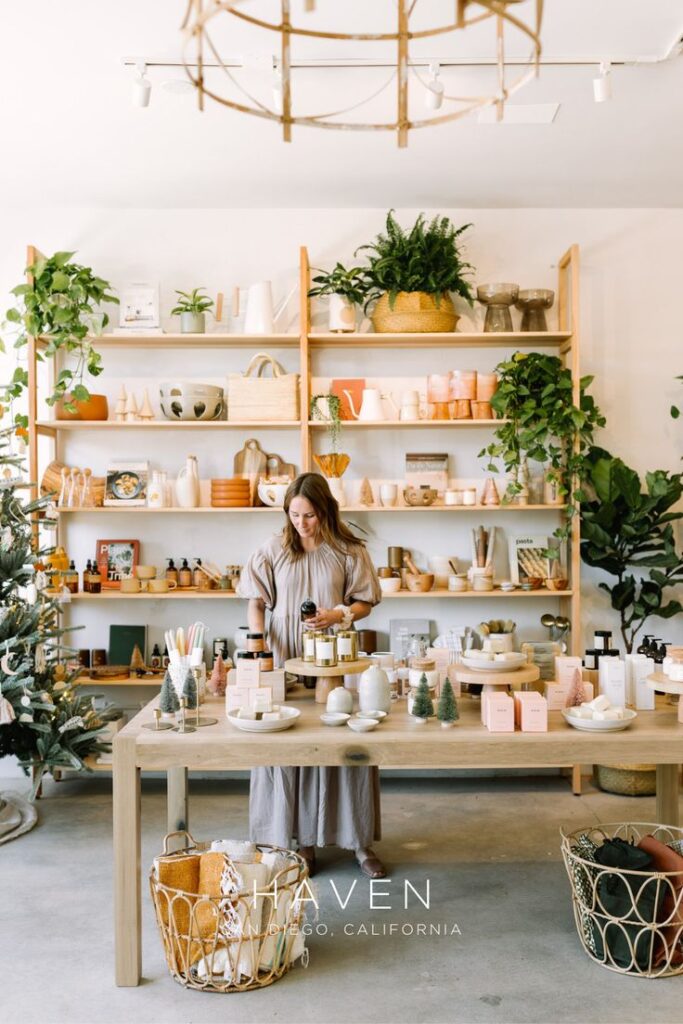
One of my favourite parts of retail is visual merchandising.
Not just because I love making things look good, although obviously I do.
Visual merchandising is where the creative side of retail meets the commercial side.
It’s about understanding how people move through a store, what they notice, what they ignore, what makes them stop and what makes them buy.
After nine years of owning my own retail store and more than 25 years working across retail, wholesale and product businesses, I’ve seen how much small merchandising changes can impact sales.
Whether you have a bricks and mortar store, a market stand, a pop-up or a showroom, the principles are very similar.
Visual merchandising is not just about aesthetics.
It should help customers understand what you sell, notice what matters, move through the space easily and buy more.
Sometimes one small change can make a surprisingly big difference.
And sometimes the problem is that the store has been set up a certain way for so long nobody is questioning it anymore.
“This is where we’ve always put it” is not a retail strategy.
The Significance of Visual Appeal in Retail
Here are 10 visual merchandising mistakes I see all the time, and what I’d do instead.
Ten Common Mistakes and How to Avoid Them
1. The Height of Attraction
One of the most common mistakes I see is simply putting the wrong products in the wrong place.
Your key products need to be where people can actually see them.
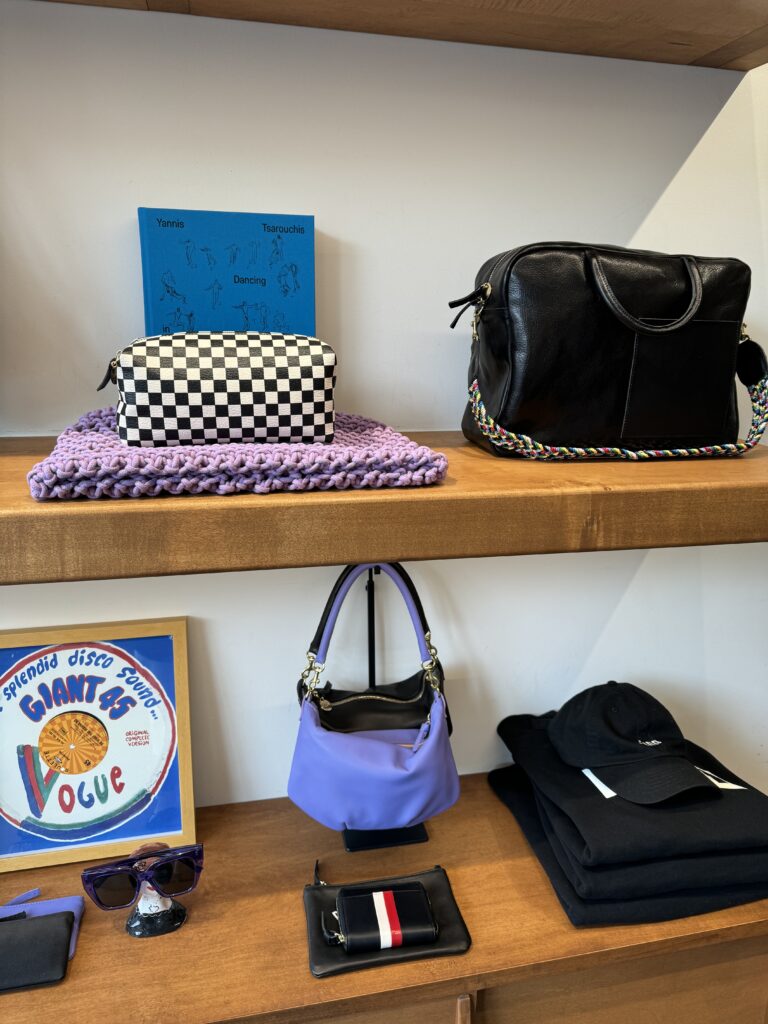
Eye level and waist level are some of your most valuable selling spaces, so use them intentionally.
Your best sellers, new arrivals, key ranges or products you actively want to move should not be sitting somewhere customers barely notice.
This applies at markets too.
If your hero product is sitting down near someone’s knees while your least important stock is front and centre, we have a problem.
Look at your displays from the customer’s point of view.
What do they see first?
What do they completely miss?
What are you making them work too hard to find?
2. The Price Dilemma
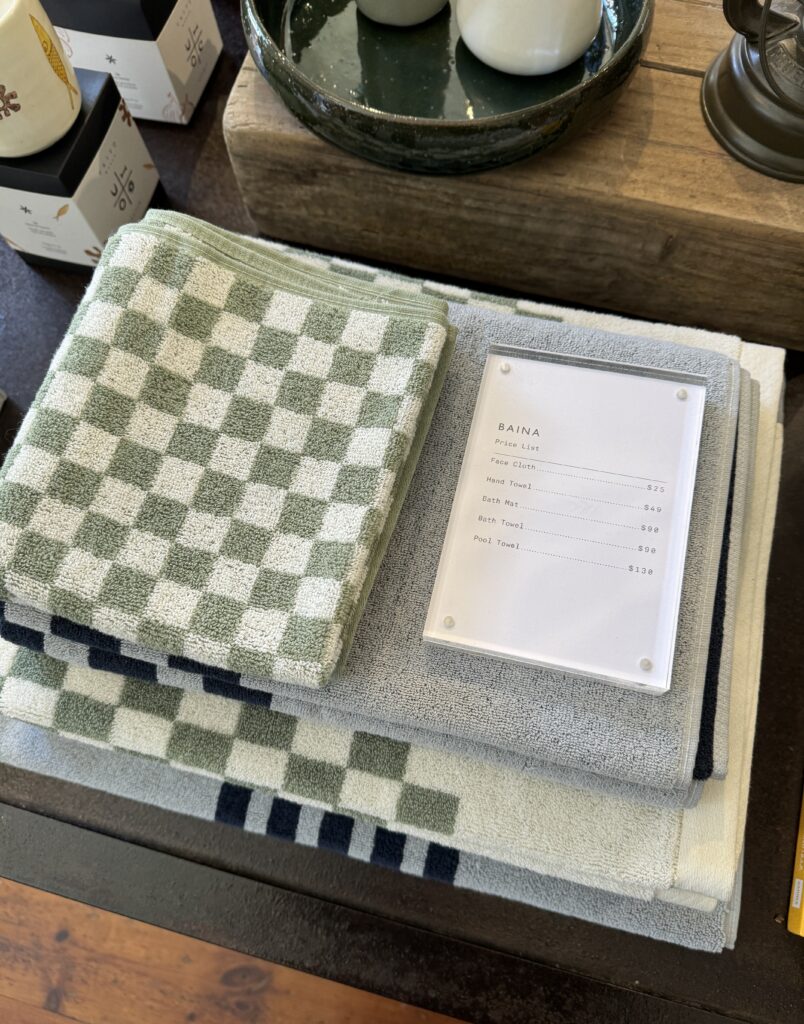
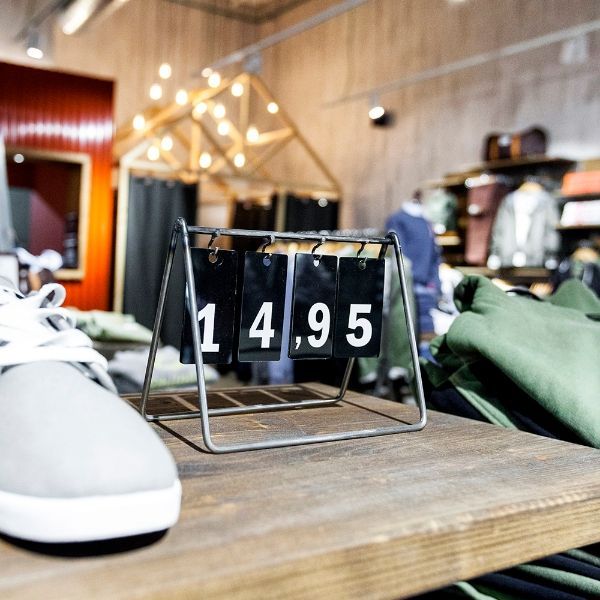
Please price your products.
Every single one.
Customers should not have to find you, ask you or make a weird mental calculation based on the other items nearby.
Yes, some people will ask.
Some won’t.
They’ll just put it back.
And that is one of the easiest sales to lose.
Your prices should be easy to find, easy to read and still fit with the look of your brand.
The same goes for window displays.
If someone is standing outside your store wondering whether something is $40 or $400, giving them the price can be the difference between walking past and walking in.
3. The Flow of Movement
Your store should feel easy to move through.
Not like an obstacle course.
When I had my children’s retail store, this was especially important because we had parents coming in with prams, toddlers, bags and approximately seventeen other things hanging off them.
You have to think about how your actual customer uses the space.
Can they move easily between fixtures?
Can they reach products?
Do they feel comfortable browsing?
Are there areas they naturally avoid?
Watch what happens when people come in.
Where do they stop?
Where do they turn?
Where do they never go?
Your layout should encourage people to explore more of the store, not make them give up halfway through.
4. Stock Management and Displays
This is one of those areas where retailers can get the balance very wrong.
Too much stock can feel cluttered and overwhelming.
Too little can make the store feel empty or picked over.
You want stock to feel abundant without looking chaotic.
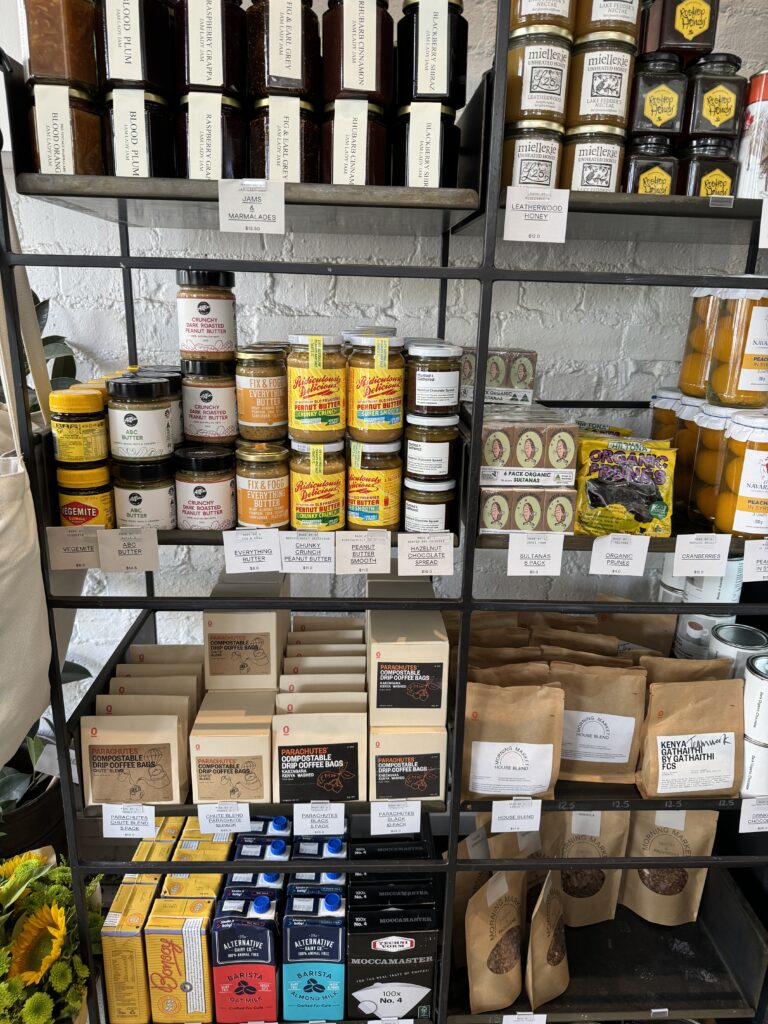
And please don’t spread one category all over the store unless there is a deliberate reason for it.
One of my pet hates is seeing soaps in ten different places.
Or candles on six different shelves.
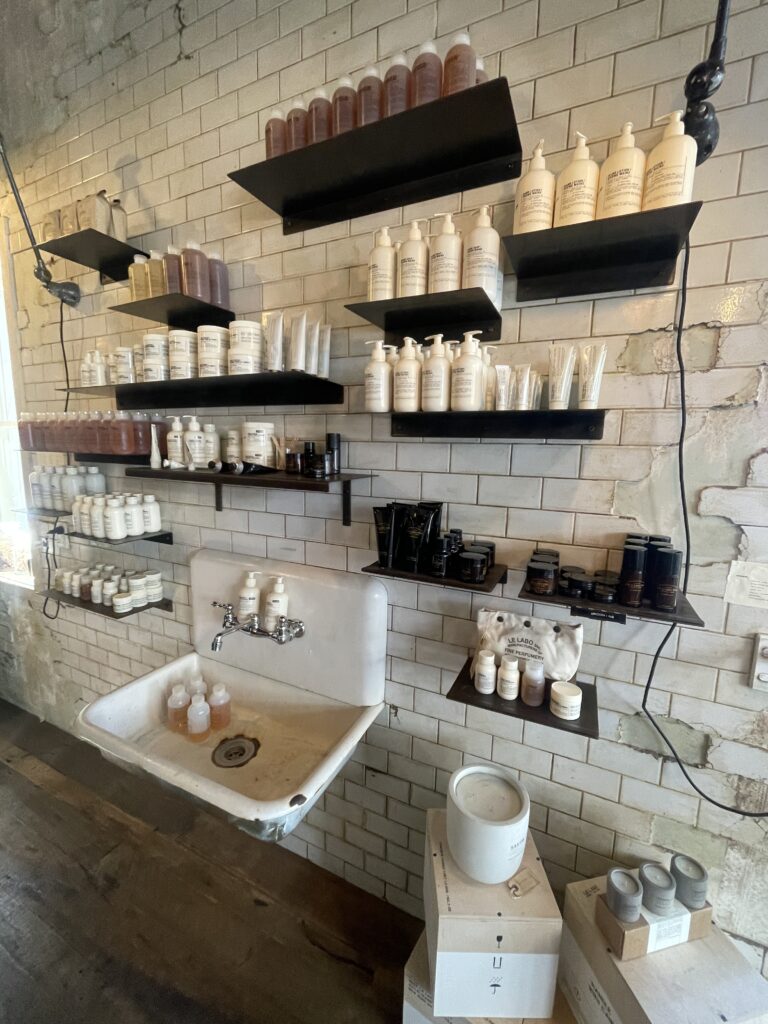
Customers should be able to understand the category.
Group products.
Create impact.
Make it easy to compare options.
And if a particular range is looking thin, either replenish it properly or consolidate it so it still looks strong.
5. Cleanliness and Freshness
This sounds obvious.
And yet.
Dusty shelves.
Fingerprints.
Dead leaves on plants.
Old tape on signs.
Scuffed fixtures.
Displays that haven’t changed in months.
Customers notice more than you think.
A clean, tidy store immediately feels more professional and more valuable.
You don’t need a massive renovation.
Sometimes the most effective reset is simply cleaning, editing, moving things around and making the whole space feel fresh again.
First impressions matter.
6. Visual Representation and Inspiration
Customers sometimes need help imagining how a product fits into their life.
This is where visuals can do a lot of work.
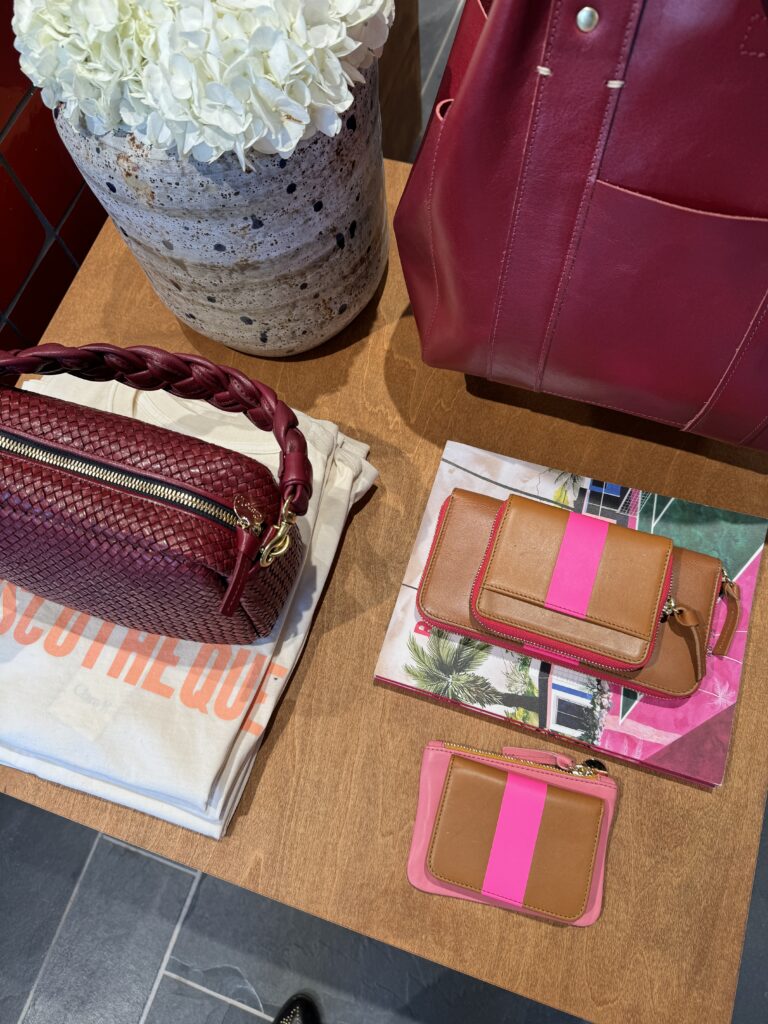
If you sell fashion, show the outfit.
If you sell homewares, show how the pieces work together.
If you sell gifting, show the finished gift.
If you sell products that need explanation, use imagery to demonstrate them.
Visuals help customers understand the product faster.
They also give them ideas.
And ideas sell.
7. Signage that speaks
Your signage should help customers shop.
Not just exist because you felt like you needed a sign.
Use signage to tell people what they are looking at.
What is special about the product.
Who made it.
Why it is different.
Whether it is new.
Whether it is limited.
Whether it is a best seller.
Whether there is a bundle or offer.
And please keep it updated.
Nothing screams “we stopped paying attention” like an old sign from three promotions ago still sitting there.
Your signage should look considered and feel like part of the brand.
8. Staff Training and Customer Understanding
Great visual merchandising can get someone interested.
Great customer service can help turn that interest into a sale.
Your staff need to understand how to read people.
Some customers want help immediately.
Some want to browse for ten minutes before anyone speaks to them.
Some are clearly looking for something specific.
Some want suggestions.
Your team should know how to read those cues and respond accordingly.
This is why retail training matters.
The goal is not to pounce on everyone the second they walk through the door.
It is to make people feel seen, comfortable and helped when they need it.
9. The Power of the Checkout and Change Rooms
Your checkout area is prime real estate.
The customer has already decided to buy.
That is a very different customer from someone who has just walked in.
Use this area for relevant add-ons.
Small gifts.
Low-cost items.
Products people regularly forget.
Things that make sense with what they have already chosen.
The same goes for change rooms.
What else can you show there?
What could complete the outfit?
What could make the customer buy one more thing?
This is how you increase average order value without immediately reaching for a discount.
10. Window Displays That Wow
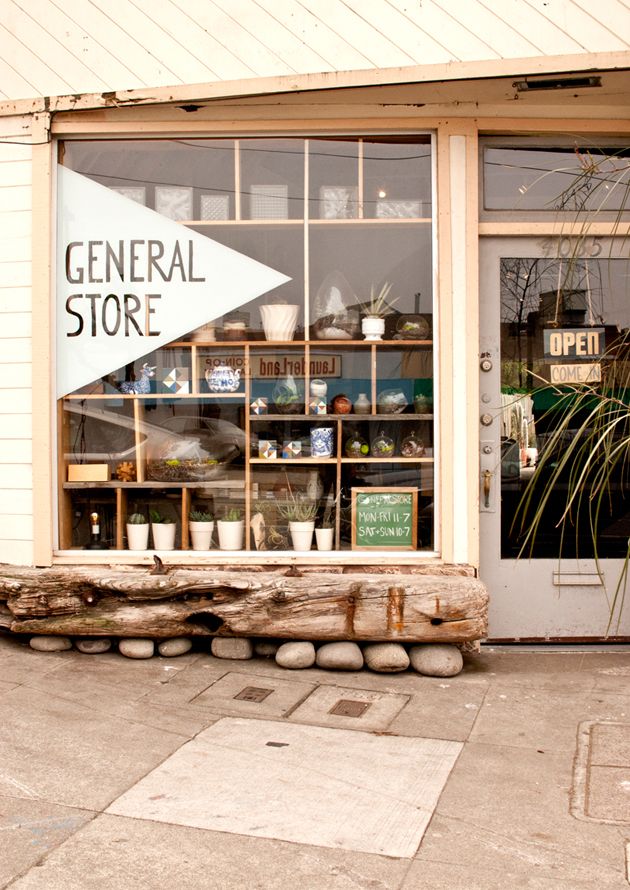
Your window is one of your biggest opportunities to get someone to stop.
So change it regularly.
Give people a reason to notice you again.
Show something new.
Create a story.
Use colour.
Use scale.
Do something unexpected.
At markets and pop-ups, this matters even more because you are competing with dozens of other stalls at exactly the same time.
Your display needs to make someone think:
Oooh, what’s over there?
Not blend into the sea of trestle tables.
And a little bonus tip, show some of this process on social media.
A time-lapse of setting up a window or market stand can be great behind-the-scenes content and gives customers another reason to pay attention to what is happening in-store.
And one more thing: acknowledge your customers
This was one of the points I talked about in the podcast because it matters.
Say hello.
Acknowledge people when they walk in.
Thank them when they leave.
You would be amazed how much this can shape the entire shopping experience.
People remember how a store made them feel.
Visual merchandising gets attention.
Customer experience helps turn that attention into loyalty.
Your visual merchandising might not actually be the biggest problem
Sometimes changing the display is exactly what needs to happen.
But sometimes the real issue is somewhere else.
Your product mix.
Your pricing.
Your margins.
Your website conversion.
Your average order value.
Your repeat purchase rate.
Your traffic.
Your wholesale strategy.
Your stock levels.
That is why I bang on so much about knowing your numbers.
Because you need to know which lever actually needs pulling.
Otherwise you can spend six months moving shelves, changing your window and posting more on Instagram while the real problem sits somewhere completely different.
And that is where I come in.
Want help figuring out what you should focus on next?
If your product business is doing under $10K a month, start with PBGC, the Product Business Growth Club.
PBGC is for product business owners who want more consistent sales, better margins and a clearer plan.
We work across the things that actually move the needle in a product business, including pricing, margins, ecommerce, marketing, wholesale, conversion and sales strategy.
Basically, less random action.
More knowing exactly what deserves your attention.
Want help figuring out what to focus on next?
If you’re already doing $10K+ months, then ScaleMM is the better fit.
This is for established product businesses that have traction but need help identifying the bottleneck, making better decisions and building the next stage properly.
If you make changes after reading this, send me the before and after.
I am deeply invested in other people’s retail shelves and I make no apology for it.
Melissa xx
Check out my other Visual Merchandising blog posts. Top 5 Merchandising top to increase sales.
Introduction (00:00:04) Melissa introduces the episode and explains the focus on visual merchandising for retailers.
Experience in Retail (00:01:06) Melissa shares her extensive experience working in various retail environments, highlighting her expertise in visual merchandising.
Positioning of Products (00:02:00) The importance of positioning products at eye level and waist level for maximum visibility and sales in retail stores and at markets.
Pricing Strategy (00:03:00) The significance of pricing all products and the negative impact of not having visible prices, with examples of customer experiences.
Window Display and Pricing (00:06:34) The value of including prices in window displays to attract potential customers and improve sales.
Store Layout and Movement (00:08:37) The importance of allowing movement through the store and creating a free flow of movement to encourage exploration of different areas.
Stock Management and Display (00:10:17) Balancing stock levels to avoid a bare store while ensuring products are not spread out too thinly, with examples of effective product display.
Visual Representation (00:13:08) The benefit of incorporating visuals and imagery in the store to inspire customers and aid in their purchasing decisions.
Signage and Information (00:15:08) The role of signage in providing information about brands and products, and the importance of updating and refreshing signage regularly.
Store Maintenance (00:17:07) The significance of keeping the store clean, fresh, and tidy to create positive first impressions for customers.
Customer Understanding (00:18:00) The importance of training staff to understand and read customer behavior and body language to provide effective customer service.
These are the timestamps and topics covered in the podcast episode transcription segment.
Understanding Customer Body Language (00:18:52) Importance of reading and responding to customer body language for providing excellent customer service.
Maximizing Checkout and Change Rooms (00:19:46) Utilizing checkout counter and change rooms for add-on sales and enhancing customer experience.
Utilizing Window Displays (00:20:36) Tips for effectively utilizing window displays to attract attention and increase foot traffic.
Creating Unique Market Displays (00:22:20) Ideas for creating eye-catching and unique displays at markets to draw attention.
Visual Merchandising Mistakes (00:26:32) Recap of the ten common visual merchandising mistakes and how to avoid them.
Conclusion and Call to Action (00:29:17) Thanking the listeners and inviting them to subscribe and review the podcast.

Comments +